Choosing a construction debris dumpster rental is one of the simplest ways to manage waste at any construction or renovation site. But while it may look like a basic container for debris, a dumpster comes with safety responsibilities that every worker should understand.
From loading materials correctly to placing the unit in a safe location, proper handling of a construction debris dumpster rental keeps your site organized, prevents accidents, and ensures smooth project progress. In the modern construction environment, many contractors focus on speed and efficiency, but safety must never be ignored—especially when your site relies on a construction debris dumpster rental for daily cleanup.
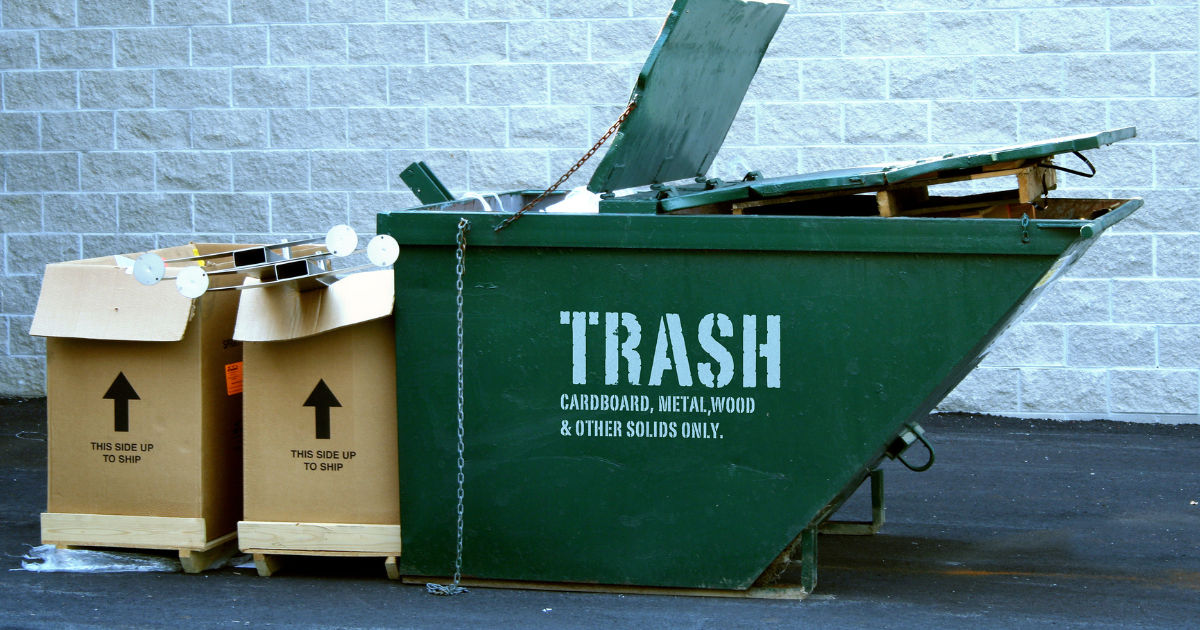
This guide explores the most essential safety practices for using a construction debris dumpster rental, combining practical, easy-to-follow tips with insight into the most common hazards. Whether you're a homeowner managing a renovation or a construction professional overseeing a full-scale project, the following strategies will help keep your site secure.
Why Dumpster Safety Matters
A construction debris dumpster rental is not just a waste container—it is a central part of your workflow. When used properly, it helps prevent trip hazards, reduces clutter, and keeps dangerous materials contained. When used incorrectly, it can create accidents involving falling debris, overloading, sharp materials, and even property damage.
Construction debris can include:
-
Wood scraps
-
Nails and screws
-
Glass
-
Concrete pieces
-
Metal sheets
-
Insulation
-
Drywall
All of these materials become safer to manage when placed properly inside a construction debris dumpster rental. Learning the right techniques protects your workers, equipment, and project timeline.
Choosing the Right Dumpster for Safety
Selecting the correct construction debris dumpster rental size isn’t just about convenience—it affects safety significantly. A dumpster that is too small will overflow, creating risks around the site. A unit that is too large may be difficult to load safely.
Consider Your Project Type
Different projects generate different materials. For example:
-
Roofing projects produce shingles that pile up quickly.
-
Demolition produces large, heavy debris.
-
Landscaping creates lighter but bulkier waste.
Choosing a construction debris dumpster rental based on debris type makes loading safer and reduces the risk of imbalance or overflow.
Assess Space Requirements
A dumpster needs adequate space for placement and access. The wrong size may block driveways, walkways, or emergency exits. Before scheduling your construction debris dumpster rental, inspect the site and ensure there is enough room for delivery, use, and pickup.
Proper Placement of the Dumpster
Where you place your construction debris dumpster rental matters more than most people realize. Incorrect placement can cause property damage, create hazards for workers, and interfere with construction flow.
Place on a Stable Surface
Always place the dumpster on flat, solid ground. Avoid:
-
Soft soil
-
Uneven surfaces
-
Sloped areas
A stable surface prevents shifting, sliding, and tipping, ensuring the construction debris dumpster rental stays secure during loading.
Avoid High-Traffic Areas
Do not position the dumpster where workers or vehicles frequently pass. This reduces the risk of collisions and congestion. Placing your construction debris dumpster rental in a designated zone helps everyone know where to deposit debris safely.
Maintain Clearance for Doors and Lids
If your construction debris dumpster rental has a swinging door, leave enough space to open it fully. For lids, ensure there is headroom to lift them without obstruction.
Safe Loading Practices
How you load a construction debris dumpster rental has a massive impact on safety. Improper loading can cause falling debris, imbalance, and even tipping.
Distribute Weight Evenly
Always load heavier materials first and spread them across the bottom of the construction debris dumpster rental. This creates a stable base and prevents shifting when lighter debris is added on top.
Avoid Overfilling
Overflowing debris is one of the most common hazards. Never allow construction waste to rise above the fill line of your construction debris dumpster rental. Overfilled dumpsters can drop debris during transport or cause injuries when workers attempt to compress materials.
Break Down Large Items
Cut or break large materials—including drywall, lumber, and metal sheets—before placing them into the construction debris dumpster rental. This saves space, reduces sharp edges, and prevents unstable or protruding loads.
Do Not Throw Hazardous Materials
Most construction debris dumpster rental providers prohibit certain materials, including:
-
Oils
-
Chemicals
-
Batteries
-
Propane tanks
-
Paint
-
Asbestos
These substances can react dangerously, cause fires, or contaminate the environment. Always follow local regulations and the rental company’s guidelines.
Personal Safety Tips for Workers
Workers handling debris should always follow safety protocols when using a construction debris dumpster rental.
Wear Proper Protective Gear
The most essential equipment includes:
-
Heavy-duty gloves
-
Safety boots
-
Protective eyewear
-
Long sleeves
-
Hard hats
Because debris often includes nails, sharp edges, and glass, PPE is non-negotiable when working around a construction debris dumpster rental.
Use Caution When Opening Doors
If your dumpster has a rear loading door, open it carefully. Debris may shift inside, especially if the construction debris dumpster rental has been in use for several days. Always check for unstable materials before walking inside.
Avoid Climbing or Standing Inside the Dumpster
Workers should never climb into the construction debris dumpster rental unless absolutely necessary. Climbing increases risk of falls and injuries. If workers must enter, they should do so at the very beginning of loading, not after debris piles up.
Preventing Property Damage
A construction debris dumpster rental is heavy, especially when filled. Without precautions, it can cause damage to surfaces, landscaping, and surrounding structures.
Use Protective Boards Under the Dumpster
Placing wooden planks or plywood beneath the construction debris dumpster rental prevents surface damage to driveways or pavement.
Clear the Surrounding Area
Ensure no vehicles, fences, or equipment are too close. Delivery trucks need room to safely drop off and pick up your construction debris dumpster rental.
Communicate With Your Rental Company
Most companies provide guidance on safe placement. Inform them about site conditions so they can position the construction debris dumpster rental correctly.
Fire Safety and Flammable Materials
Fire hazards are a major concern on construction sites. Tossing flammable items into a construction debris dumpster rental can lead to dangerous ignition.
Keep Heat Sources Away
Never place the dumpster near:
-
Welding stations
-
Generators
-
Space heaters
-
Fuel storage
Heat sources can ignite materials inside a construction debris dumpster rental.
Do Not Dispose of Hot Materials
Always let materials cool completely before disposal. Hot ash, recently welded metals, and burning materials must never enter the construction debris dumpster rental.
Weather-Related Safety Tips
Weather affects how safe your construction debris dumpster rental is to use.
Heavy Rain
Rainwater can pool inside a dumpster, increasing weight and making debris slippery. Use a cover if possible to keep your construction debris dumpster rental dry.
Strong Winds
Wind can lift lightweight materials, causing them to blow out of the construction debris dumpster rental. Secure debris under heavier items or use netting to keep materials contained.
Snow and Ice
Ice can make surfaces around the dumpster slippery. Salt or sand the area around the construction debris dumpster rental during winter conditions.
Keeping the Site Organized
A clean, organized environment around your construction debris dumpster rental reduces the chance of injuries.
Clear the Area Around the Dumpster
Remove loose materials, tools, cords, and equipment from the surrounding zone. Workers need a clear path to safely approach the construction debris dumpster rental.
Create a Daily Cleanup Routine
Encouraging workers to use the construction debris dumpster rental throughout the day—rather than waiting until the last hour—keeps the site cleaner and safer.
Label the Dumpster Area
Use signs to direct workers to the construction debris dumpster rental so the process remains orderly and efficient.
Training Workers on Dumpster Safety
Proper training is essential, especially on large job sites.
Teach Proper Loading Techniques
Team members should know how to place materials safely inside the construction debris dumpster rental, including the importance of weight distribution and avoiding overflow.
Review Hazardous Material Rules
Ensure every worker knows what can and cannot go into the construction debris dumpster rental.
Assign a Safety Supervisor
A site supervisor should regularly inspect the construction debris dumpster rental to ensure compliance.
Working With a Reliable Dumpster Provider
A trustworthy company can make your construction debris dumpster rental experience much safer.
Choose a Company With Safety-Focused Practices
Look for providers who:
-
Offer guidance on placement
-
Provide clear restrictions
-
Maintain clean, well-kept dumpsters
-
Have responsive customer service
Ask About Weight Limits
Each construction debris dumpster rental has a maximum load capacity. Exceeding this limit can cause damage or accidents. Understanding these restrictions keeps your project safe.
Schedule Timely Pickups
Allowing a filled construction debris dumpster rental to sit longer than necessary increases risks. Timely removal helps maintain site safety.
Conclusion
A construction debris dumpster rental is an essential tool for keeping your job site clean, organized, and hazard-free. But like any tool, it requires proper handling. By choosing the right size, placing it safely, loading it correctly, and training workers to follow best practices, you significantly reduce risks. Whether you are handling a major renovation or a large-scale construction project, understanding how to safely operate a construction debris dumpster rental protects your team, your property, and your timeline.
Using these guidelines, you can confidently incorporate a construction debris dumpster rental into your workflow and maintain a safer, more efficient construction environment.
